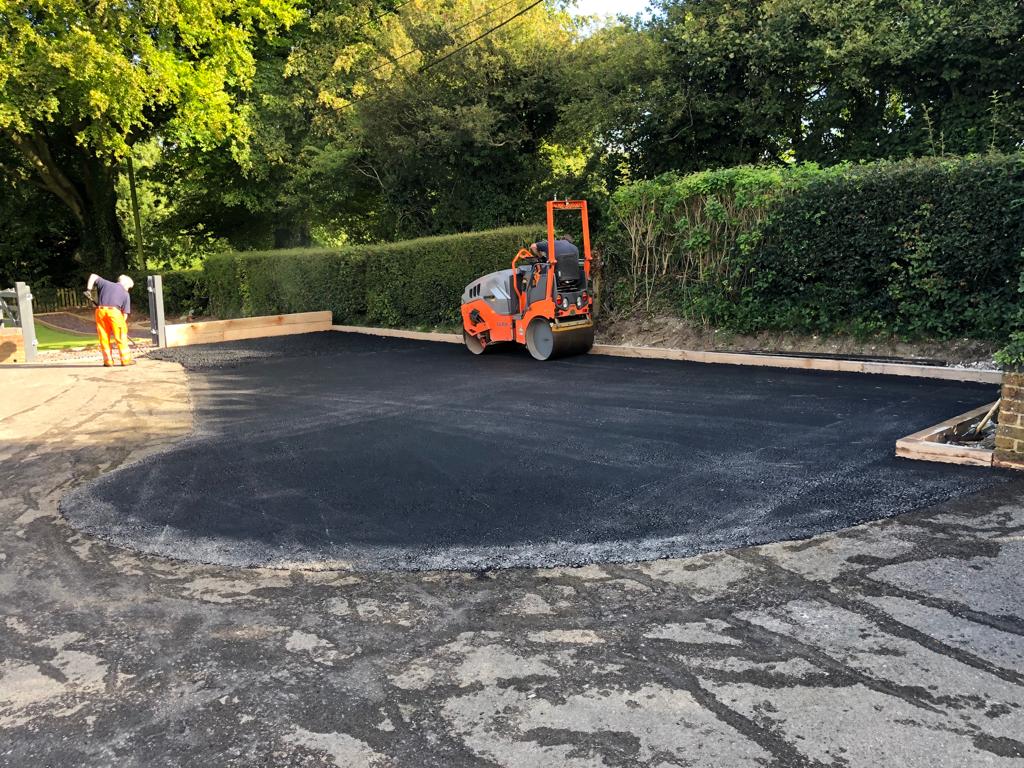
An unsealed road does not need an asphalt or bitumen surface to drain effectively. With an appropriate road profile, suitable pavement material and properly maintained drainage paths, rainfall can be directed away from the traffic area before it has an opportunity to create extensive surface damage.
For unsealed roads and access surfaces in Griffith, NSW, professional road grading can play an important role in restoring this profile. Rather than simply smoothing out bumps, grading can reshape the road, correct depressions and wheel ruts, redistribute suitable material and help water move towards the edges instead of remaining where vehicles travel.
Why Is Drainage So Important on an Unsealed Road?
Water can have a significant effect on an unsealed pavement because the surface is directly exposed to rainfall.
When water drains away effectively, the road has a better opportunity to remain stable. When it collects within wheel tracks, potholes or low sections, the pavement can become saturated and lose strength.
Traffic travelling across these weakened areas can then cause additional deformation.
This can contribute to:
- Potholes
- Wheel rutting
- Soft sections
- Surface erosion
- Loss of pavement material
- Corrugations
- Uneven access
- Larger depressions
Good drainage is therefore not separate from road maintenance. It is one of the factors that helps an unsealed road continue performing effectively.
Road Grading Is About More Than Smoothing the Surface
It is easy to think of grading as simply removing bumps from a rough road. While improving surface smoothness is one benefit, professional grading can do considerably more.
A grader can reshape the road so rainfall is encouraged to move across the surface rather than remain within the traffic area.
The work may involve:
- Correcting wheel ruts
- Filling appropriate low sections
- Reshaping the road profile
- Redistributing suitable pavement material
- Removing surface irregularities
- Restoring drainage paths
- Correcting areas where water is being trapped
The objective is to produce a road surface that works with rainfall rather than allowing water to remain concentrated in vulnerable areas.
Restoring the Road Profile Helps Water Move Away
An effective unsealed road should generally have a defined profile rather than being completely flat from one edge to the other.
Over time, regular traffic can alter that profile.
Vehicles repeatedly travelling along the same wheel paths can create depressions and ruts. Material may gradually be pushed towards the edges, while low areas begin collecting rainfall.
Professional grading can restore appropriate surface levels so water has a clearer path away from the main traffic area.
This is one of the most important ways grading can improve drainage without applying a sealed surface.
Wheel Ruts Can Act Like Drainage Channels in the Wrong Direction
Wheel ruts are more than an inconvenience for drivers.
Once they become sufficiently deep, they can capture rainfall and direct it along the road rather than allowing it to move off the surface.
Water travelling through these ruts can contribute to erosion and gradually deepen already damaged sections.
Alternatively, water may simply remain trapped in low areas.
Grading can reshape these wheel paths and restore a more consistent road profile. This helps prevent vehicle tracks from becoming unintended channels for water.
Potholes Can Hold Water and Accelerate Deterioration
Potholes are another common location for standing water.
A pothole creates a depression where rainfall can accumulate. If the underlying material becomes excessively wet, passing vehicles can disturb and displace it, allowing the pothole to become wider or deeper.
Professional road maintenance can combine grading with appropriate pothole repairs.
Simply grading loose material over a deep pothole may not be sufficient if the area underneath is unstable. Failed material may need attention before the road profile is restored.
This is why the condition of the pavement should be assessed before grading begins.
Correcting Low Spots Can Reduce Standing Water
Not all drainage problems are caused by deep wheel ruts or potholes.
Gradual settlement can create broader low sections that hold water after rainfall. These areas may remain wet considerably longer than the surrounding road.
Repeated traffic over a wet low point can lead to further deformation, eventually producing ruts or potholes.
Professional grading can help identify these areas and restore appropriate levels where the existing pavement allows.
Where substantial settlement or weak material is present, additional pavement preparation may be required rather than simply moving surface material into the depression.
Grading Can Redistribute Displaced Road Material
Traffic gradually moves material around an unsealed road.
Aggregate may be pushed away from wheel paths and towards the edges, while some areas become increasingly thin or uneven.
A grader can redistribute suitable material and reshape the road.
This can improve drainage because a road that has lost its intended profile may no longer direct rainfall effectively.
However, redistribution only works where enough suitable pavement material remains available.
If the road has lost significant material through erosion, displacement or long-term deterioration, additional material may be required before an appropriate profile can be restored.
Road Edges Need to Let Water Escape
Even a well-shaped road surface can experience drainage problems if water reaches the edge but has nowhere to go.
Over time, material can build up along the shoulders or edges of an unsealed road. This can create a raised barrier that traps rainfall on the traffic surface.
Professional grading should therefore consider the relationship between the road surface and its edges.
Water needs a practical route away from the pavement rather than being redirected into another low section.
This broader approach is one of the differences between simply smoothing a road and grading it with drainage in mind.
Why a Completely Flat Surface Can Be a Problem
A visually flat road might appear neat immediately after maintenance, but it may not provide effective drainage.
Without appropriate fall, rainfall can remain on the surface rather than moving towards the edges.
Small depressions can then become collection points.
A road profile should therefore be shaped according to the site and existing drainage conditions rather than simply made level.
Professional grading focuses on functional levels as well as surface appearance.
Good Drainage Can Help Reduce Pothole Development
Potholes can have several causes, but water is frequently an important contributor.
When rainfall penetrates or saturates weak sections of an unsealed pavement, traffic can begin displacing the softened material.
The resulting depression holds additional water, creating conditions for further deterioration.
By improving the road profile and reducing unnecessary standing water, grading can help interrupt this cycle.
It cannot guarantee that potholes will never develop, but it can address one of the conditions that commonly contributes to their formation.
Grading Can Help Reduce Erosion
Water travelling uncontrolled across an unsealed road can remove fine pavement material and create channels.
Once erosion begins, subsequent rainfall may follow the same path and deepen the damaged section.
An appropriately graded surface encourages water to leave the traffic area in a more controlled manner.
Reducing concentrated water flow across vulnerable sections can help retain more pavement material and preserve the intended road profile.
What Happens If Drainage Is Ignored?
Repeatedly grading a road without considering water movement can result in the same problems returning.
For example, a rough section may initially look improved after grading. However, if it remains a low point where rainfall continually collects, traffic can quickly begin deforming the surface again.
Recurring problems can include:
- Potholes returning in the same places
- Wheel ruts becoming established again
- Soft areas after rainfall
- Erosion channels
- Repeated loss of pavement material
- Uneven sections developing soon after maintenance
When the same defects continue returning, the cause should be investigated rather than simply repeating the same surface treatment.
Compaction Is Important After Grading
Once the road has been reshaped, compaction can help stabilise the pavement material.
Loose material that is not adequately consolidated may move under traffic, allowing wheel paths and depressions to develop again.
Appropriate compaction helps the restored profile resist vehicle movement and maintain its shape more effectively.
The condition and moisture content of the pavement material can influence how it responds to grading and compaction, which is another reason professional assessment is useful.
When Might Additional Pavement Material Be Needed?
Grading cannot create suitable road material where insufficient material remains.
A heavily worn road may have lost pavement depth through traffic, erosion or repeated maintenance. Simply moving the remaining material from one location to another may leave other sections too thin.
Additional suitable material may be required when:
- The road has substantial exposed weak areas
- Pavement material has been heavily displaced
- Deep ruts are present
- Erosion has removed significant material
- The existing profile cannot be restored adequately
- Soft areas require reconstruction
The aim should be to restore a stable pavement, not merely make the road look smoother temporarily.
Can Grading Replace Sealing?
Grading and sealing perform different functions.
A well-maintained unsealed road can provide dependable access without being sealed, particularly where the pavement is suitable for its traffic demands and drainage is managed effectively.
Grading helps maintain the shape and condition of that unsealed pavement.
Asphalt or bitumen sealing creates a different type of wearing surface and can provide additional protection from direct traffic disturbance and water penetration.
Whether sealing is appropriate depends on the road’s condition, use and required performance.
Grading should therefore be viewed as a valuable road maintenance process in its own right, not simply as preparation for sealing.
How Often Should an Unsealed Road Be Graded?
There is no single grading interval that suits every road.
The need for maintenance depends on factors such as:
- Traffic frequency
- Vehicle types
- Road construction
- Drainage
- Existing pavement condition
- Development of corrugations
- Pothole formation
- Rutting and erosion
The condition of the surface is usually more informative than following a fixed schedule.
When the road begins losing its profile, developing persistent ruts or holding water where it previously drained effectively, professional assessment can determine whether grading is required.
Signs That Drainage-Focused Grading May Be Needed
Several visible changes can indicate that an unsealed road would benefit from grading.
These include:
- Water remaining in wheel tracks after rainfall
- Potholes repeatedly filling with water
- Broad puddles developing in low sections
- Increasingly deep ruts
- Water flowing along the road instead of away from it
- Erosion channels forming
- Pavement material collecting heavily along the edges
- Sections remaining soft after surrounding areas have dried
- A noticeable loss of the original road profile
Addressing these issues before they become severe can help preserve more of the existing pavement.
Professional Road Grading in Griffith, NSW
Effective grading requires more than operating machinery over a rough surface. The existing road needs to be assessed so the work can respond to pavement condition, surface levels, drainage and traffic use.
Griffith Road Tek provides professional road grading and pavement services in Griffith, NSW, with attention to restoring a practical road profile rather than simply removing visible irregularities.
Where potholes, ruts or weak sections are present, these can be considered alongside the wider grading work so the finished surface has suitable support and can direct water away more effectively.
Conclusion
Road grading can improve drainage on an unsealed road by restoring the pavement profile, correcting wheel ruts and low sections, redistributing suitable material and helping rainfall move away from the main traffic area.
The road does not necessarily need to be sealed to drain effectively. What matters is that it has a stable surface, appropriate levels, adequate compaction and clear routes for water to leave the pavement. Where potholes, weak sections or substantial material loss are present, these issues may also need attention as part of the grading process.
For unsealed roads and access surfaces in Griffith, NSW, Griffith Road Tek can assess existing pavement and drainage conditions and determine whether professional grading, pothole repairs or additional surface preparation is appropriate. Correctly reshaping the road can improve wet-weather performance while maintaining a practical and dependable unsealed surface.
Call us on: 02 5926 2530
Click here to find out more about Griffith Road Tek
Click here to complete our contact form and see how we can help with your Asphalt and Bitumen Surfacing needs.