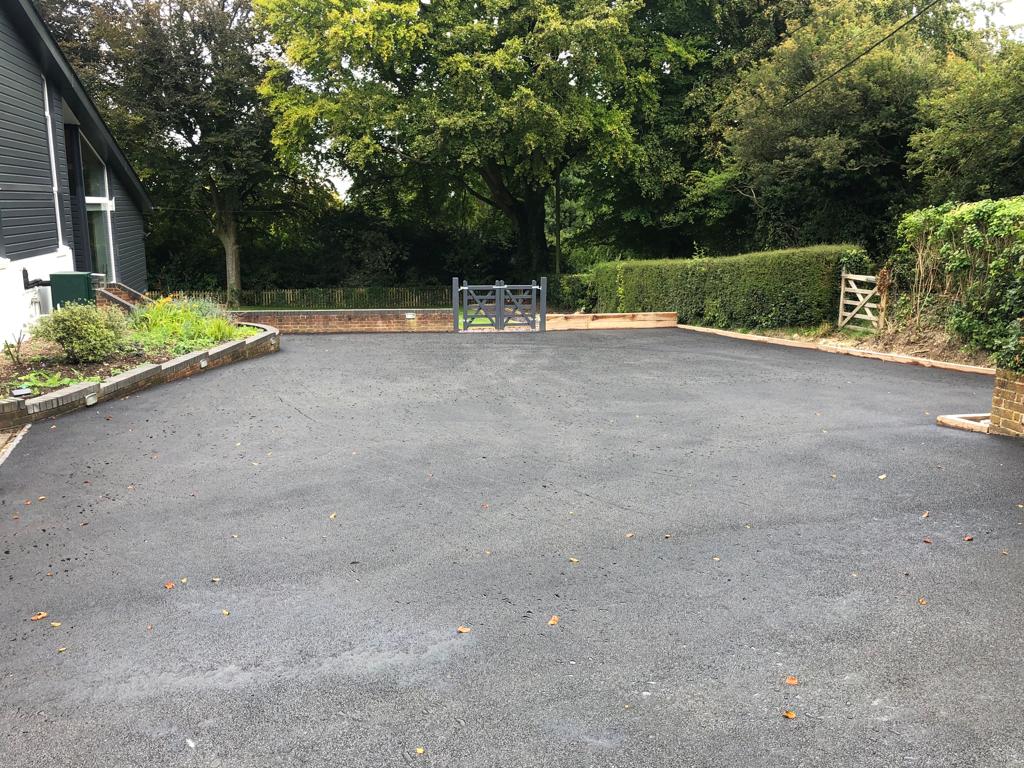
Spray & Seal bitumen is widely used for roads and access surfaces because it provides a durable wearing layer while helping protect the pavement underneath from traffic and moisture. Like any road surface, however, it gradually changes with age and use. Aggregate can become worn, the surface texture can reduce, and small defects may begin to appear.
The good news is that a worn Spray & Seal road can often be resealed, provided the underlying pavement remains in suitable condition. Resealing at the appropriate stage can renew the wearing surface and help protect the existing pavement before deterioration progresses further.
At Griffith Road Tek, we provide professional Spray & Seal bitumen surfacing and road maintenance throughout Griffith, NSW. Before recommending resealing, it is important to assess why the existing surface has deteriorated and whether any repairs or preparation are required first.
How Does a Spray & Seal Road Wear Over Time?
Spray & Seal surfacing is created by spraying a controlled application of bitumen binder over a prepared pavement and covering it with selected aggregate. The aggregate is embedded into the binder to form a textured wearing surface.
Over time, repeated vehicle movements and environmental exposure can gradually change the condition of this surface.
Common signs of ageing can include:
- Loss of surface texture
- Polished or worn aggregate
- Loose stones in isolated areas
- Minor cracking
- Small areas of surface deterioration
- Fading and general weathering
- Localised pavement repairs
These changes do not necessarily mean the entire pavement needs reconstruction. In many cases, they indicate that the road should be assessed for maintenance or resealing.
What Does Resealing Actually Do?
Resealing involves applying a new bitumen and aggregate treatment over an appropriately prepared existing pavement.
Rather than rebuilding the entire road, the process renews the wearing surface and provides another protective layer over the pavement structure.
A professionally completed reseal can help:
- Restore surface texture
- Improve aggregate cover
- Reduce moisture penetration
- Protect the existing pavement
- Renew worn traffic areas
- Extend the useful life of the road
The key requirement is that the pavement underneath must still provide adequate structural support.
When Is a Worn Road Suitable for Resealing?
Resealing is generally most effective when the existing surface is showing age and wear but has not suffered widespread structural failure.
A road may be suitable for assessment for resealing when it has:
- General surface wear
- Reduced texture
- Minor localised defects
- Early cracking
- Weathered bitumen
- An otherwise stable pavement structure
This is why timing matters. Resealing while the pavement remains fundamentally sound can preserve more of the existing road.
Waiting until extensive potholes, deformation and base failure develop may require considerably more preparation before another seal can be applied.
Potholes Need to Be Repaired First
A new Spray & Seal treatment should not simply be applied over existing potholes.
Potholes often indicate that the pavement has lost support in a particular area. Loose material may need to be removed and the affected section rebuilt and compacted before resealing.
If a pothole is covered without addressing the weakness underneath, vehicle loading can continue affecting the same area. The defect may then reappear through the new surface.
Proper pothole repairs create a more stable foundation for the reseal.
Existing Cracks Need to Be Assessed
Cracking should also be investigated before resealing.
Minor surface cracking may be treatable as part of pavement preparation, but widespread or interconnected cracking can indicate deeper deterioration.
The important question is not simply whether cracks are visible but why they have developed.
Possible causes include:
- Pavement ageing
- Water infiltration
- Base movement
- Heavy vehicle loading
- Weak pavement sections
- Drainage problems
Understanding the cause helps determine whether straightforward preparation is sufficient or whether more substantial repairs are necessary.
Drainage Can Determine Whether Resealing Succeeds
Water management is a critical part of maintaining any bitumen road.
If the existing surface has low spots where water collects, or if runoff continually reaches vulnerable pavement edges, moisture can contribute to deterioration underneath the seal.
Resealing without addressing these problems may protect the surface temporarily while leaving the cause of deterioration unchanged.
Before work begins, contractors should consider how water moves across and away from the pavement.
Where necessary, grading or drainage improvements can be completed as part of the preparation process.
Watch the Road After Rain
The condition of a road immediately following rainfall can provide useful information about its drainage.
Warning signs include:
- Water remaining in wheel tracks
- Persistent puddles
- Runoff collecting along pavement edges
- Water sitting in depressions
- Soft areas beside the sealed surface
These conditions are worth investigating before a new seal is applied.
A Stable Base Is Essential
Spray & Seal provides a wearing and protective surface, but it relies on the pavement underneath for structural strength.
If the base has become unstable, resealing alone cannot restore that lost support.
Signs that the pavement may require deeper repairs include:
- Significant rutting
- Large depressions
- Repeated potholes
- Surface movement under traffic
- Widespread cracking
- Soft or unstable sections
These areas may need to be repaired or reconstructed before the road is suitable for resealing.
Surface Preparation Makes a Major Difference
Successful resealing begins with preparation rather than the application of bitumen.
Depending on the condition of the existing road, preparation may involve:
- Pothole repairs
- Crack treatment
- Removal of loose material
- Localised base repairs
- Grading
- Compaction
- Drainage correction
- Cleaning the existing surface
The objective is to provide a sound, appropriately prepared pavement for the new bitumen and aggregate.
Skipping necessary preparation can reduce the effectiveness of the finished treatment.
What If Only Parts of the Road Are Damaged?
Not every worn Spray & Seal road deteriorates evenly.
Turning areas, entrances, braking zones and frequently travelled wheel paths can experience greater wear than other sections. Localised failures may therefore require additional attention even when most of the road remains structurally sound.
Professional assessment allows these areas to be repaired individually before the wider surface is resealed.
This approach helps ensure existing weaknesses are not simply hidden underneath the new treatment.
Heavy Traffic Needs to Be Considered
The type of traffic using the road influences both pavement deterioration and the appropriate resealing approach.
Roads regularly carrying trucks, agricultural equipment or other heavy vehicles experience different loading from surfaces predominantly used by passenger vehicles.
Heavy traffic can place particular stress on:
- Turning areas
- Intersections
- Entrances
- Wheel paths
- Stopping areas
These traffic patterns should be considered when assessing the existing pavement and determining the appropriate preparation and surfacing treatment.
Resealing Can Help Prevent Further Deterioration
One of the main reasons to reseal a worn road before it becomes severely damaged is pavement preservation.
As a Spray & Seal surface ages, its ability to protect the pavement can gradually reduce. If cracks and worn areas begin allowing moisture into the structure, deterioration can accelerate.
Applying an appropriate reseal while the pavement remains suitable can renew the protective wearing surface and help slow this process.
Maintenance is generally most effective when completed before extensive structural failure occurs.
When Might Resealing Not Be Enough?
There is a point where a pavement may be too deteriorated for straightforward resealing.
If large sections have failed structurally, applying another surface treatment will not rebuild the foundation underneath.
More substantial work may be necessary where there is:
- Extensive base failure
- Severe rutting
- Numerous recurring potholes
- Major surface deformation
- Widespread structural cracking
In these circumstances, affected sections may require reconstruction, grading and compaction before an appropriate new surface is installed.
Why Professional Assessment Is Important
The appearance of a worn road does not always reveal what is happening underneath it.
Two roads with similarly weathered surfaces can require very different treatments. One may have a strong foundation suitable for resealing, while another may contain weakened sections requiring repair first.
An experienced surfacing contractor can assess the pavement condition, drainage, existing defects and traffic demands before recommending the appropriate approach.
This ensures resealing is used as a pavement preservation solution where it is suitable rather than as a way of covering structural problems.
Conclusion
Yes, a worn Spray & Seal road can often be resealed, particularly when the underlying pavement remains stable and deterioration is primarily confined to the wearing surface. A professionally applied reseal can restore surface texture, improve pavement protection and extend the useful life of the existing road.
The condition of the road must be assessed first. Potholes, unstable areas, drainage problems and significant cracking should be corrected before new bitumen and aggregate are applied. Proper preparation is what allows a resealed surface to provide dependable long-term performance.
At Griffith Road Tek, we provide professional Spray & Seal bitumen surfacing, resealing and pavement preparation throughout Griffith, NSW. If your existing Spray & Seal road is becoming worn and you are unsure whether it can be resealed, contact our team to arrange an assessment and discuss an appropriate solution for restoring and protecting the surface.
Call us on: 02 5926 2530
Click here to find out more about Griffith Road Tek
Click here to complete our contact form and see how we can help with your Asphalt and Bitumen Surfacing needs.